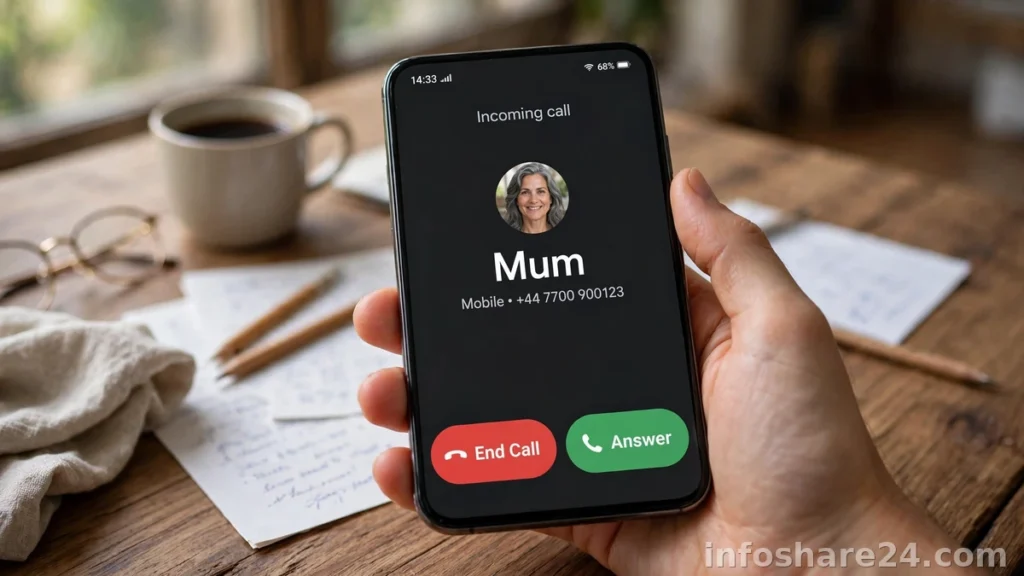
Your phone rings. It is your daughter’s voice — upset, crying, saying she has had an accident and needs money now. Your heart pounds. But what if that voice is not your daughter at all? An AI voice cloning scam can copy a real person’s voice from a short clip posted online and make it say anything.
You do not need to be a tech expert — just this 30-second check: hang up, call back on a number you already know, and ask for your family safe word.
What Is an AI voice cloning scam?
An AI voice cloning scam is a fraud in which a criminal copies a real person’s voice with software, then uses that fake voice to trick you into sending money or sharing private information. The scammer only needs a short audio clip from a video or a social media post, plus a voice-cloning program. The US Federal Trade Commission (FTC) warned that a short clip is all it takes.
Once copied, the scammer types any words, and the fake voice speaks them — yet a voice alone is no longer proof of who is calling.
The FTC reported that people lost $3.5 billion to imposter scams in 2025. On 19 October 2026, INTERPOL launched a campaign about AI deepfake scams: “Wait. Validate. Don’t take the bait.”
How the Fake Family Emergency Call Works

The fake family emergency call follows the same script every time.
First, the scammer clones a voice from a clip found online — a birthday video, a TikTok, or a voicemail greeting. Then they call when you are least likely to think clearly: late at night or during work hours.
On the call, the “family member” is in trouble — a crash, an arrest, or a hospital bill. They are crying or whispering, so the voice is harder to judge. Then comes the pressure: tell no one, stay on the line, send money now.
The urgency is the weapon — pause for 30 seconds and check the story another way, and the trick falls apart.
How to Spot a Fake Family Emergency Call in 30 Seconds
Do not try to judge the voice — even experts can be fooled. Run this check instead; it does not depend on your ears at all.
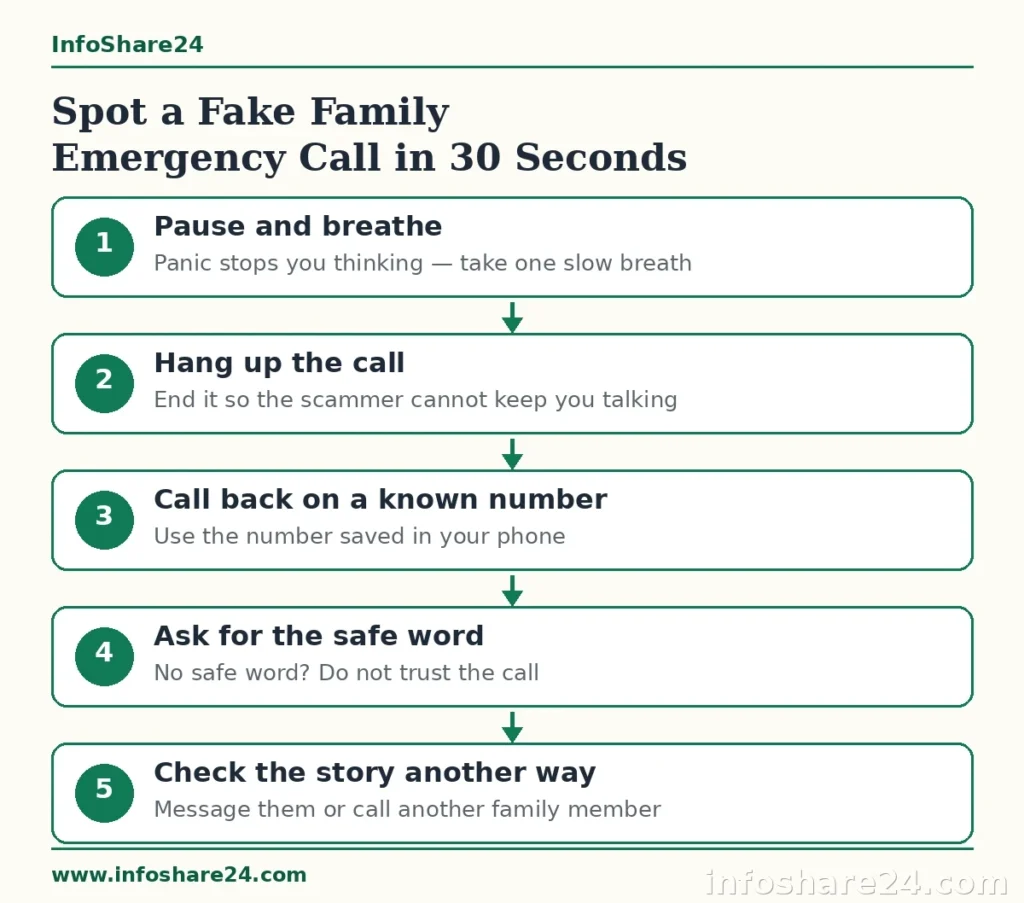
- Pause and breathe. Panic stops you thinking, so take one slow breath first.
- Hang up the call. Scammers keep you talking so you cannot check the story — ending the call breaks their control.
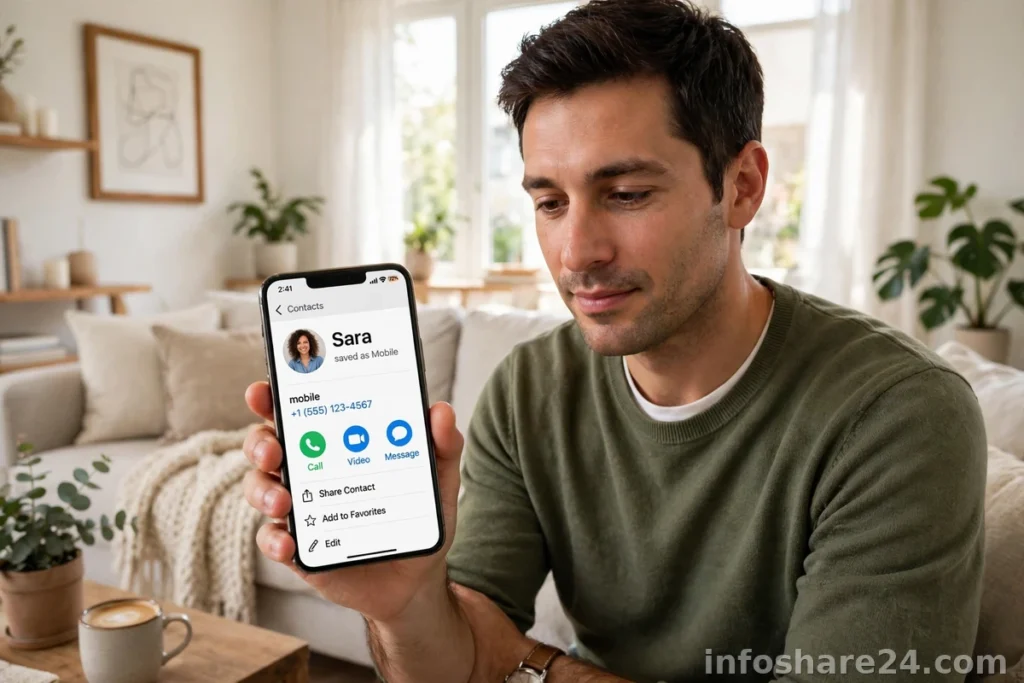
- Call back on a number you already know. Use the number saved in your phone, never one the caller gives you.
- Ask for the family safe word. Ask for the secret word you agreed with your family. A scammer cannot guess it — if the caller cannot say it, do not trust the call.
- Check the story another way. Message the person on WhatsApp or call another family member — a fake story falls apart when you ask for details.
- Never send money or codes on an unexpected call. No real hospital or police officer asks for gift cards, cryptocurrency, or a one-time code. If anyone does, it is a scam. For more on code scams, see: How to Spot and Avoid OTP Scams.
If every check passes, help them. If any check fails, stop — you have not been rude, you have been careful.
Set Up Your Family Safe Word Today

The safe word is your family’s secret password for emergencies. It takes five minutes, costs nothing, and no amount of audio can teach a scammer a word they have never heard.
- Pick a word only your family knows. Choose something unusual, such as “blue mango” — not a pet name, a birthday, or anything posted online.
- Share it with your closest family only. Tell them in person. Never send it by text.
- Agree the rule: no safe word, no money. If a caller cannot say it, you hang up and call back. Practise once, so nobody forgets under stress.
- Change it if it ever leaks. Pick a new one the same day if someone outside the family may have heard it.
Also protect the raw material scammers need: check your privacy settings before posting videos where a family member speaks clearly, and turn on two-factor authentication on important accounts. See: What Is Two-Factor Authentication and How to Turn It On.
Red Flags That Give the Scam Away
Watch for these signs before you even run the check:
- Extreme urgency. “Send the money in ten minutes or she stays in jail.” Real emergencies do not expire in ten minutes.
- Secrecy. “Do not tell your husband, your parents, or the police.” A scammer needs you alone — one more person asking questions ends the scam.
- A strange payment method. Gift cards, cryptocurrency, and wire transfers are almost impossible to trace. That is why scammers ask for them.
- A voice that is slightly off. The voice may sound flat, or the caller may dodge simple questions. But a perfect clone shows none of these signs, so never rely on your ears alone.
Two or more of these signs together? Treat the call as a scam until you have proof otherwise — a message that rushes you is a message worth checking. See: How to Spot a Phishing Message in 30 Seconds.
What to Do If You Already Sent Money
If you have already sent money, do not feel ashamed. Acting fast can still limit the damage.
- Call your bank immediately. Ask them to stop or reverse the payment — the sooner you call, the better your chances.
- Report the call. Report it to your local police — in the US, to the FTC at ReportFraud.ftc.gov and the FBI at ic3.gov.
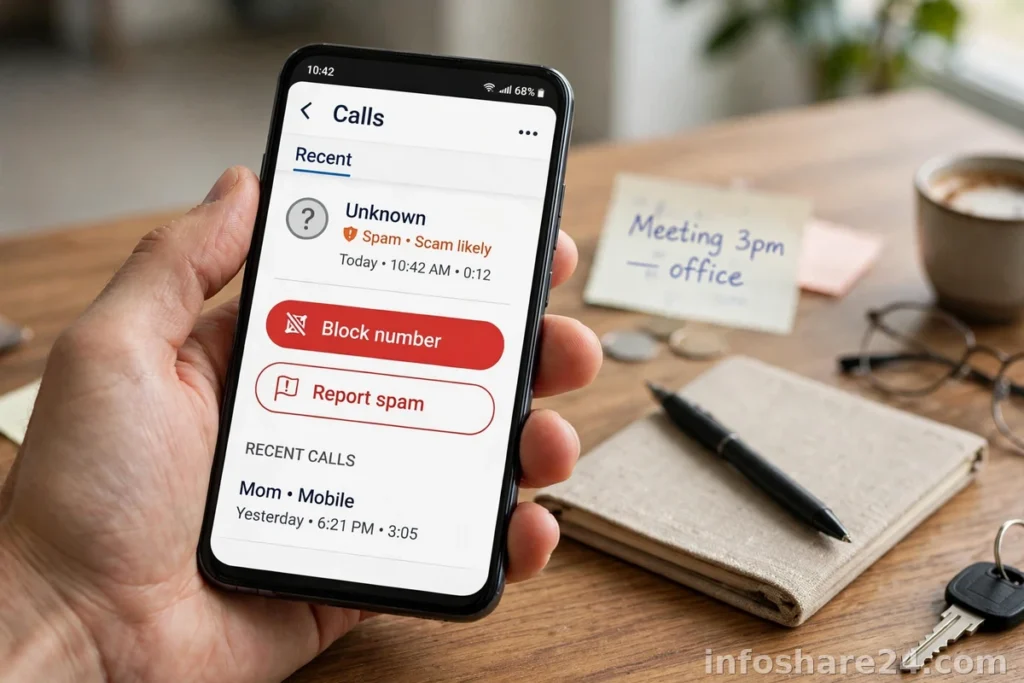
- Block the number and warn your family. Block the number, then warn your family so they can watch out for the same trick.
- Check your accounts. Check your bank and email accounts for anything strange, change your passwords, and turn on two-factor authentication. See: How to Create a Strong Password You Can Actually Remember.
Keep messages, numbers, and receipts — they help the police and your bank.
Frequently Asked Questions
Can AI really clone a voice from a short clip?
Yes. The FTC warns that a scammer only needs a short audio clip, such as one posted online, plus a voice-cloning program. That is why this guide relies on the call-back and the safe word, not on spotting the fake voice.
What if the caller says their phone is dying and they cannot talk long?
That is part of the pressure — say you will call back in one minute.
What if my family member really is in trouble and I hang up?
No — calling their real number back takes 30 seconds, and that call reaches the real person.
Does the safe word work for other scams too?
Yes — for any call or message from someone pretending to be a family member, a boss, or a friend. Slowing down helps with any unexpected request for money, including fake job offers. See: How to Recognise Fake Job Offers and Lottery Scams Online.
Conclusion
A familiar voice is no longer proof of who is calling. But the defence fits in 30 seconds: pause, hang up, call back on a number you already know, and ask for your family safe word.
Set up that safe word today — before you ever need it — and share this guide with your parents and grandparents, the people scammers target most. As INTERPOL puts it: “Wait. Validate. Don’t take the bait.”